


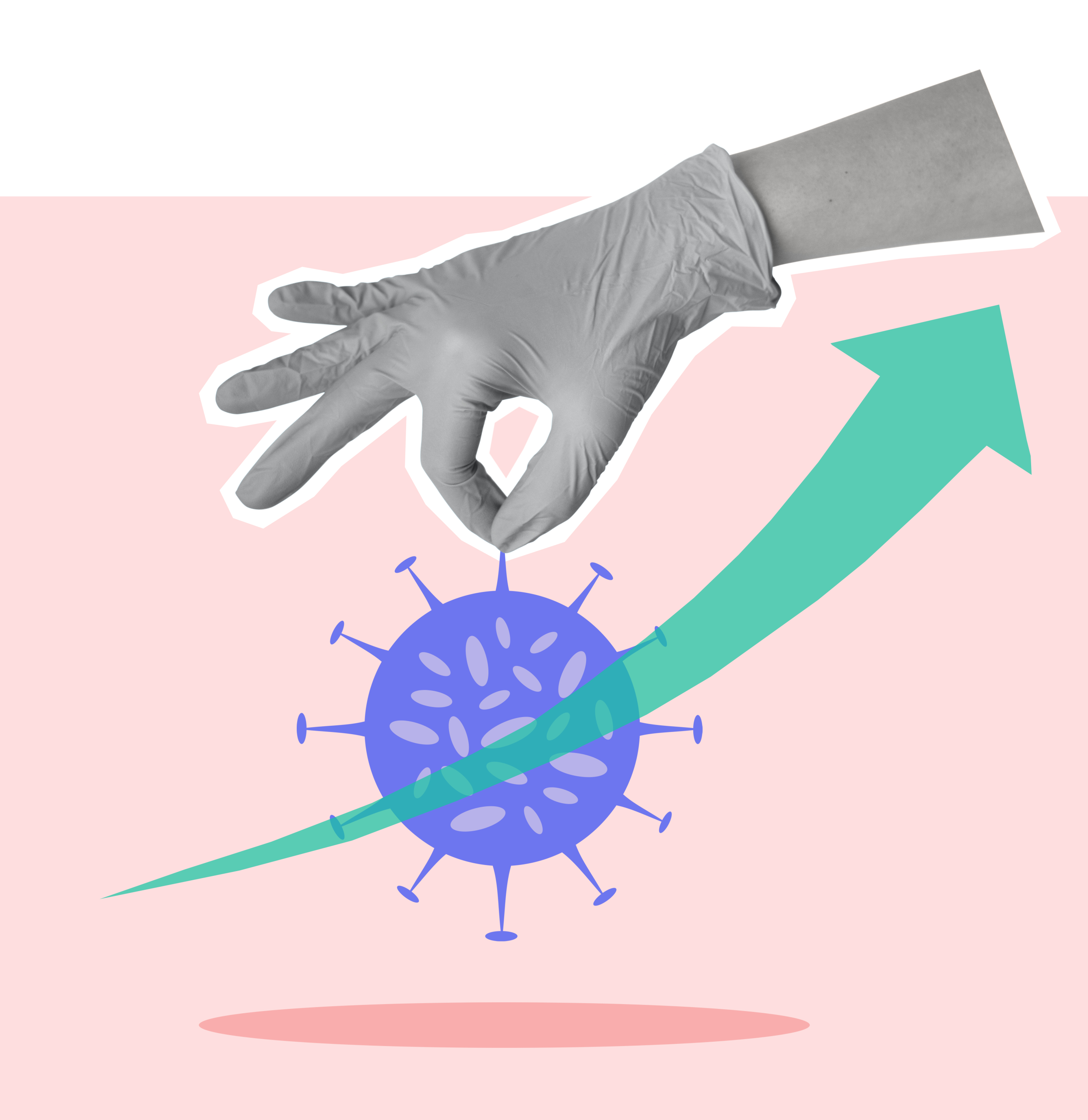
A rising curve that shows why flu vaccine uptake matters
NHS England’s latest figures show a daily average of 1,717 flu patients in hospital last week, including 69 people in critical care. On 30 November, hospitals cared for 2,040 flu patients. This is a 74 percent rise on the same date in 2024, which was already the highest day rate since 2021.
Although more than 16.9 million flu vaccines have already been delivered, flu vaccine uptake is now plateauing in several priority groups. As a result, teams need targeted, insight-led support to shift behaviour, reach hesitant groups and convert intention into action.
Why traditional flu campaigns no longer improve flu vaccine uptake
Many local systems continue to rely on broad, one-size-fits-all messaging. However, behavioural insight from our work with ICBs, local authorities and Screening and Immunisation Teams shows that:
- Confidence is low, particularly among younger eligible adults, carers and people with long-term conditions.
- Access remains a challenge for some, with people unsure of eligibility and where to go for their vaccine.
- Messaging fatigue grows over time, and generic reminders blend into background noise.
Where flu vaccine rates are low, flu has the ability to circulate. It does not discriminate and can affect anyone regardless of age and demographics.
What insight is telling us about flu vaccine uptake this year
Through Vax Chat training, community engagement and behavioural analysis across the autumn, three factors stand out.
1. People are overestimating their immunity
Many believe that last year’s vaccine, a previous infection or feeling healthy is enough protection. These beliefs delay and stop people from having their latest vaccine, which is needed as the present vaccines are developed to protect against the strain of flu that is predicted to be circulating each year.
2. Misinformation is spreading in digital spaces
Social media provides a platform for myths and false information to circulate. This does impact people, as people are influenced by others like them. In many of the areas we work, there is a disharent trust of authority and therefore these myths are believed above trusted sources.
3. Trust builds locally, not nationally
Frontline conversations show that familiar voices make the biggest difference. People respond well to community leaders, teachers, trusted health professionals and neighbours. Local, co-designed messaging continues to be one of the strongest drivers of flu vaccine uptake.
Why local systems must act now to strengthen flu vaccine uptake
With admissions already 56 percent higher than this time last year, and the peak still approaching, systems cannot rely on awareness campaigns alone. They need behavioural approaches that:
- Strengthen confidence
- Improve access
- Personalise messages
- Support frontline conversations
- Involve communities
- Address misinformation early
Flu vaccination remains one of the most cost effective ways to reduce winter pressures. It works best when people feel confident, motivated and supported.
How ICE can help you improve flu vaccine uptake this winter
We partner with ICBs, Public Health teams and NHS organisations to deliver:
- Behavioural insight that identifies real barriers
- Vax Chat training that increases confidence in frontline conversations
- Targeted messages that cut through fatigue
- Community engagement that reaches groups with national messages.
- Rapid evaluation that allows teams to adapt quickly
If your area is seeing stalled uptake, widening inequalities or growing winter pressure, we can help you act with speed, clarity and confidence.
Want to know more, Check out the below!
How a Winter Vaccinations Campaign Built Trust Online
Vaccine Conversation Training: How Behavioural Science Builds Confidence
AAA Screening Campaign Improving Men’s Health and Reducing Inequalities


