



The challenge driving the stop smoking behaviour change campaign
This stop smoking behaviour change campaign helped Southwark create a movement that made quitting feel possible, positive and powerful. Through behavioural insights, creative design and targeted engagement, the campaign connected with the people most affected by smoking harms and encouraged them to take action.
Smoking-related deaths in Southwark were higher than both national and regional averages, with an estimated £84 million annual economic impact.
Routine and manual workers and young adults aged 18–34 had the highest smoking rates yet were the least likely to engage with stop-smoking services or self-refer for help.
Despite local investment in hybrid support (vapes, NRT and coaching), awareness and engagement were low.
We had to reach and motivate those who felt unseen by traditional stop-smoking messages and create a movement that made quitting feel possible and powerful.
Smoking-related deaths in Southwark were higher than both national and regional averages, with an estimated £84 million annual economic impact.
Routine and manual workers and young adults aged 18–34 had the highest smoking rates yet were the least likely to engage with stop-smoking services or self-refer for help.
Despite local investment in hybrid support (vapes, NRT and coaching), awareness and engagement were low.
We had to reach and motivate those who felt unseen by traditional stop-smoking messages and create a movement that made quitting feel possible and powerful.
Our approach to designing a stop smoking behaviour change campaign
ICE gathered rich insights with smokers. The findings revealed deep emotional and practical barriers and helped shape the creative concept and tone of voice.
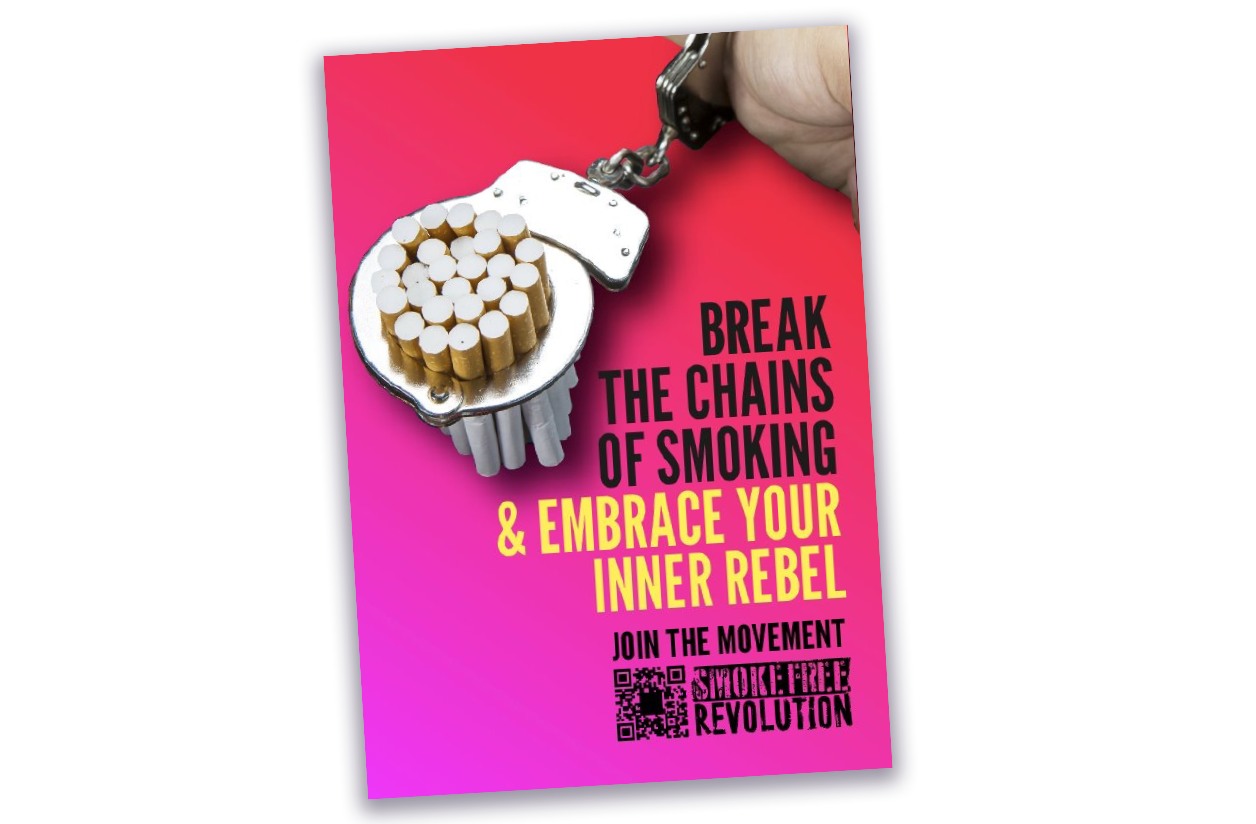
From workshops and testing, four key emotional pillars emerged: Health, Wealth, Freedom, and Support.
Delivering a stop smoking behaviour change campaign that reached real lives
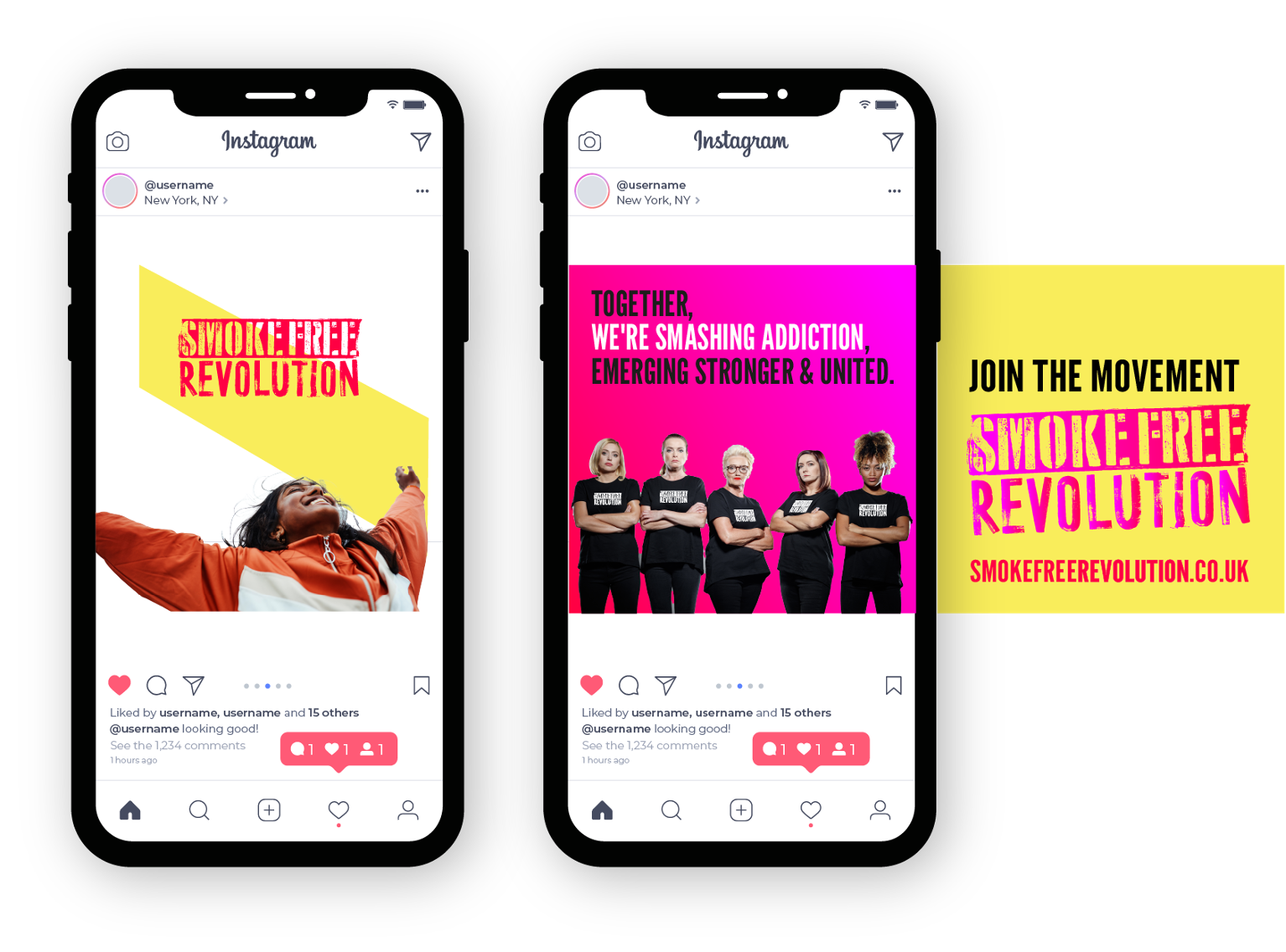
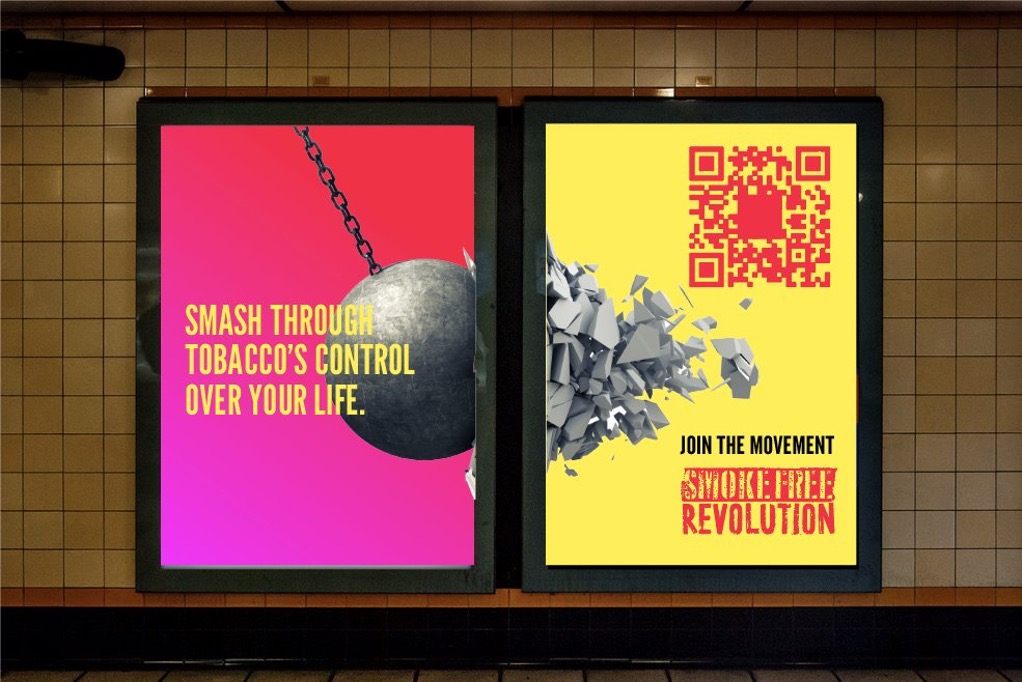
The campaign was rolled out in three phases across digital, social media, print and out-of-home channels, supported by A/B testing to identify the strongest creatives.
Key tactics:
- Targeted social ads within Southwark +17km radius, focusing on 18–35-year-olds and routine/manual workers.
- Branded “Smoke-Free Revolution” materials in GP surgeries, pharmacies, and workplaces.
- Paid digital reach complemented by community engagement
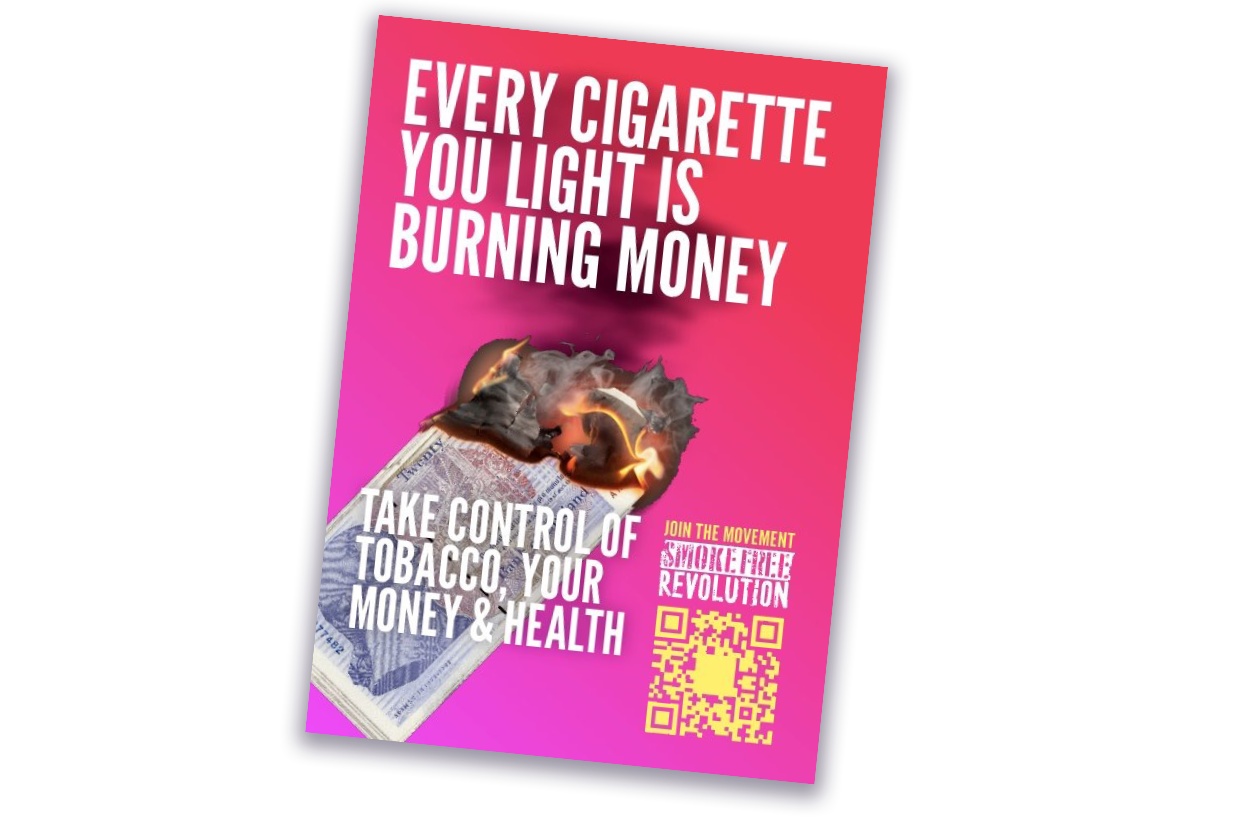
The campaign achieved over 1.4 million social impressions and tens of thousands of engagements.
- Click-through rates reached up to 2.94%, significantly outperforming public health benchmarks.
- Self-referrals increased by 73 compared to the same period the previous year.
- Routine and manual worker referrals rose both in total and as a percentage of all referrals.
To explore more insight-led approaches, you can read our related articles on behavioural insight, healthy lifestyle services and smoking cessation campaigns, as well as the NHS stop smoking guidance for a wider context.

1.4 M
Social Impressions
2.94%
Click through rates, outperforming public health benchmarks
73
RMW direct self referrals compared to same period previous year
“Routine and manual worker referrals rose both in total and as a percentage of all referrals.”