


Public Health Functions Agreement: what ICBs need to know
ICE Updates | 07 - 04 - 2026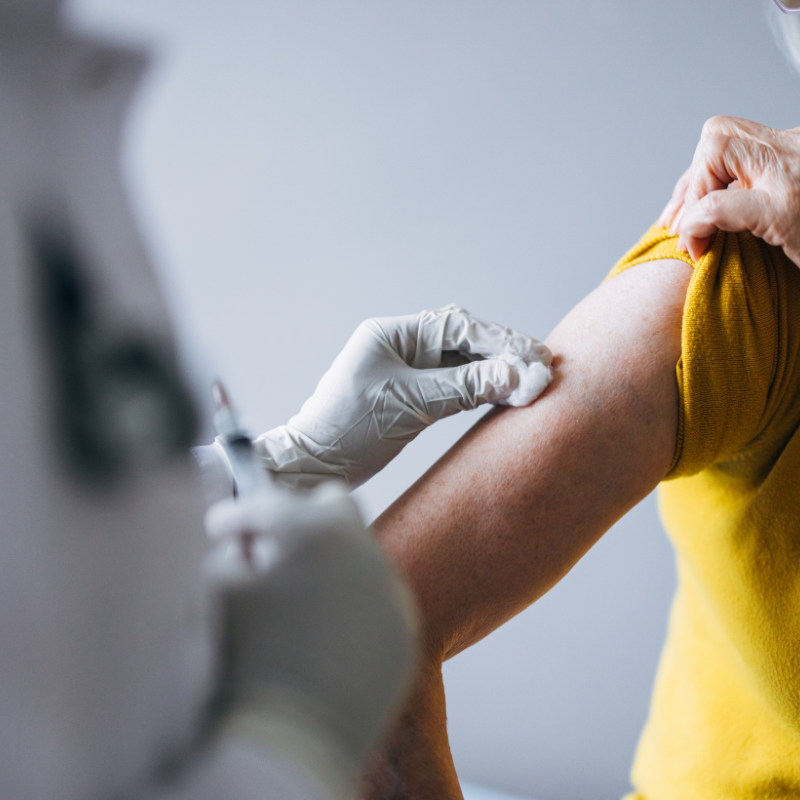
The 2026/27 NHS Public Health Functions Agreement, published on 30th March, signals one of the most significant changes to public health in years.
The headline? Most Section 7A public health functions are intended to be delegated to ICBs from April 2027, subject to legislation.
That means immunisation, screening and related services, currently held nationally, are moving decisively towards local system ownership.
2026/27 isn’t a pause year. It’s a preparation year.
Over the next 12 months, regional commissioning teams will work increasingly closely with ICBs to plan services and move safely towards delegation.
For systems, this brings:
-
Greater opportunity to align services with local population need
-
But real pressure to build commissioning and delivery capability fast
The message is clear: ICBs may not hold the functions yet, but expectations around readiness are already here.
Vaccine confidence moves centre stage
The Agreement is explicit that vaccination rates must improve, particularly in under‑served communities and groups with historically lower uptake.
Notably, vaccine confidence is now directly linked to the Best Start in Life strategy, elevating early years vaccine confidence as a named priority for 2026/27.
It positions immunisation not just as a public health intervention, but as part of:
-
Early childhood development
-
Family support
-
Long‑term population health trajectories
It also opens the door to earlier, more preventative conversations, well before a missed appointment shows up in the data.
For systems preparing for delegation, this reinforces the need to work beyond traditional NHS delivery models and build stronger connections with:
-
Maternity and early years services
-
Health visiting and Family Hubs
-
VCFSE organisations and trusted community partners
What this means for systems right now
Taken together, the 2026/27 Agreement sends a clear message: local systems will increasingly be accountable for immunisation and screening outcomes.
ICBs don’t need to have all the answers today, but they do need to be asking the right questions in 2026/27, including:
-
Do we understand where confidence drops off across the life course?
-
Do we have the right insight into local barriers and misinformation?
-
Are we equipped to work with communities, not just deliver to them?
-
Do our workforce and partners feel confident having vaccine conversations?
Looking ahead
April 2027 may feel a way off, but the groundwork is being laid now.
The systems that use 2026/27 wisely, to build capability, deepen partnerships and test new approaches to engagement, will be far better placed when delegation becomes a reality.
This Agreement isn’t just about where functions sit. It’s about whether local systems are ready to own outcomes, particularly for communities who have historically been least well served.
And that’s where the real challenge, and opportunity, lies.
Want to know more? Chat to a Vax Chat expert. Get in touch: https://icecreates.com/contact-us/
Check out some of our previous vaccination work:
- Vaccine Conversation Training: How Behavioural Science Builds Confidence
- AAA Screening Campaign Improving Men’s Health and Reducing Inequalities
- Tackling Falling Rates: A Vaccination Uptake Campaign That Works


